As spring turns into early summer, cattle operations start to shift in ways that are easy to underestimate. What feels like a gradual change in temperature to us can have a much bigger impact on cattle, especially when warm days show up quickly without much time to adjust.
Preparing cattle for warmer weather is not about reacting when problems show up. It is about making small adjustments early so cattle stay comfortable, maintain intake, and continue performing the way they should.
Why Warm Weather Affects Cattle More Than You Think
Cattle do not handle heat the same way they handle cold. While they can tolerate lower temperatures surprisingly well, heat puts more strain on their system, especially when humidity is involved.
As temperatures rise, cattle naturally begin to:
Eat less feed
Drink more water
Reduce movement during the day
This is a normal response, but when conditions change too quickly or support systems are not in place, it can turn into heat stress.
Early Signs Cattle Are Struggling with the Heat
Before full heat stress sets in, there are usually early warning signs.
You might notice cattle:
Spending more time standing instead of lying down
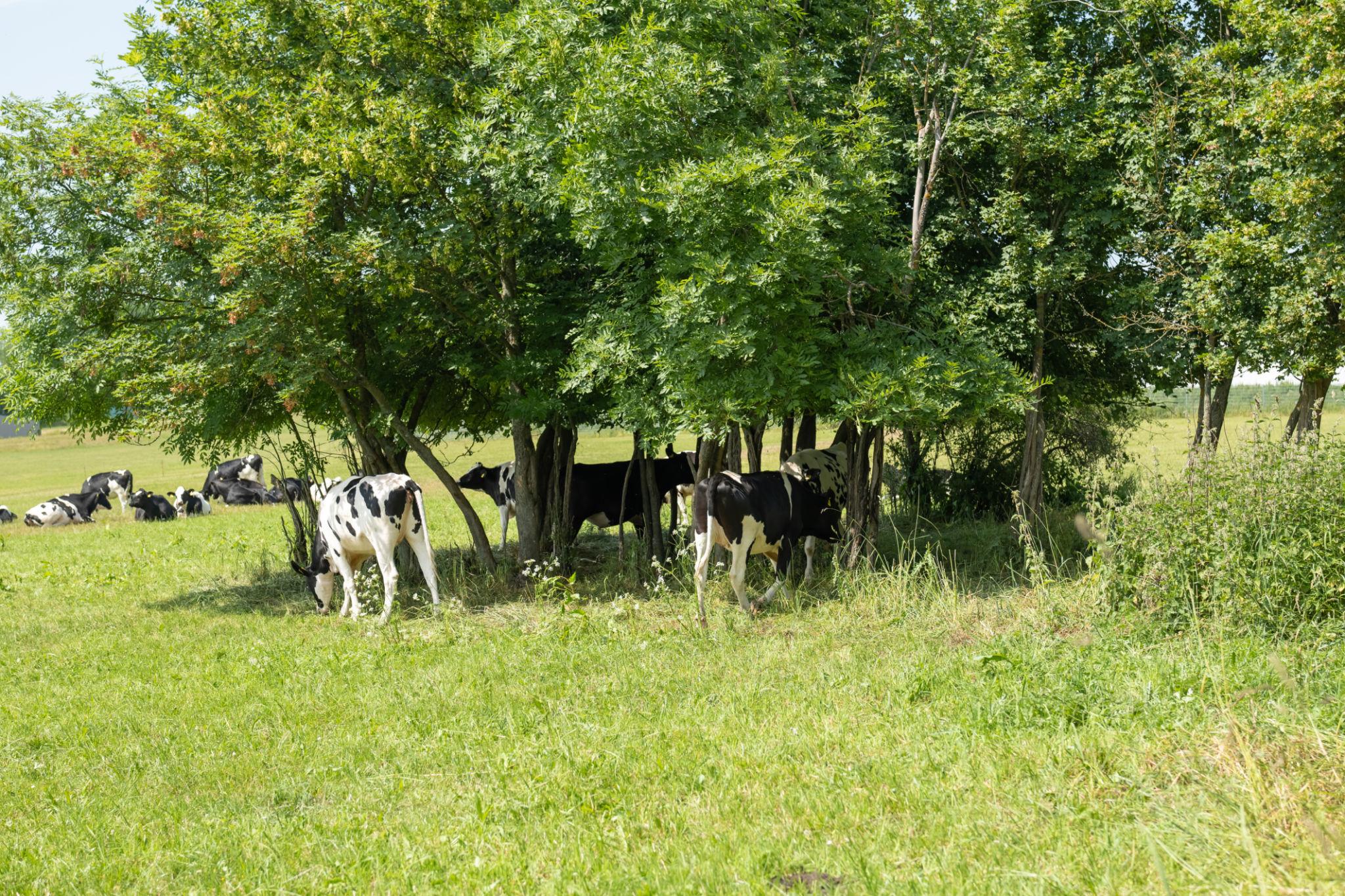
Seeking out shade or grouping near water
Eating less than normal
Breathing faster, even in moderate temperatures
These signs are easy to miss if you are not specifically watching for them, but they are often the first indication that adjustments need to be made.
What You Can Do Before It Becomes a Problem
Preparation does not need to be complicated, but it does need to be intentional.
Start with water. As temperatures rise, cattle will rely heavily on water intake to regulate body temperature. Make sure:
Water sources are clean
Tanks are full and functioning
There is enough space so cattle are not competing
Next is shade. Even partial shade can reduce heat load during the hottest part of the day. If natural shade is limited, it is worth thinking about pasture rotation or positioning.
Handling is another area that often gets overlooked. Working cattle during the middle of the day adds unnecessary stress. Moving tasks to early morning or evening hours makes a noticeable difference.
Prevention Is Easier Than Correction
Once cattle fall behind due to heat stress, it can take time for them to recover. Intake drops, performance slows, and in some cases, health issues begin to show up.
Preventing that from happening is much simpler than trying to fix it after the fact.
A few small steps taken early in the season can help avoid larger problems later:
Check water systems regularly
Adjust handling times
Monitor cattle behavior as temperatures rise
FAQ
When should I start preparing for heat? Before consistent warm days arrive. Early preparation helps cattle adjust gradually.
Do cattle need shade in all operations? It depends on the environment, but shade almost always helps reduce stress.
How much more water do cattle need in warm weather? Water intake can increase significantly, sometimes doubling depending on conditions.
Is reduced feed intake normal in heat? Yes, but it should be monitored. Significant drops can impact performance.
Conclusion
Preparing cattle for warmer weather is not about making major changes. It is about recognizing how cattle respond to heat and making small adjustments before those changes turn into problems. Staying ahead of it keeps cattle comfortable and operations running smoothly.